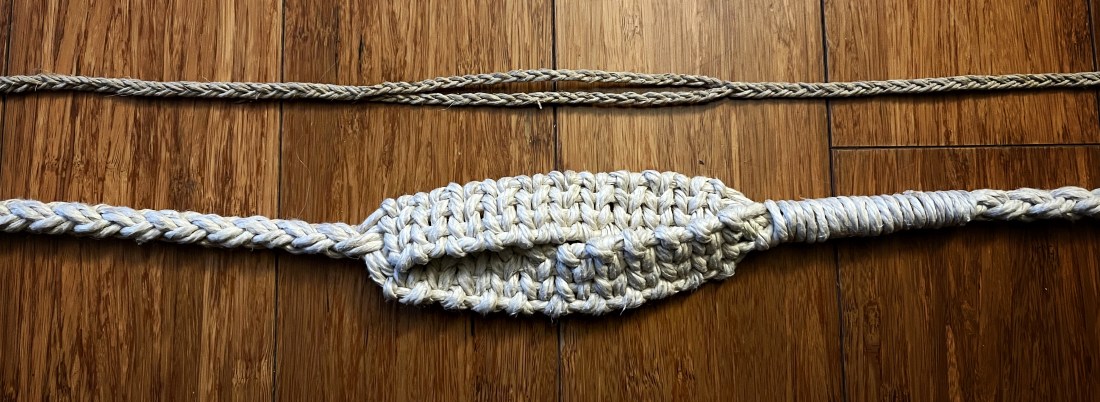
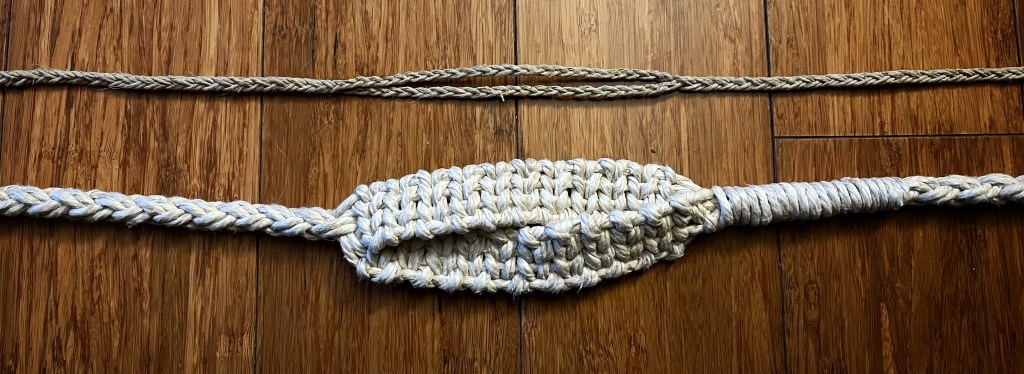
When I started my Sling Shop in 2019, I was thrilled by the curiosity and questions from people interested in slinging. Answering those questions was rewarding, but I also received a slew of “optimization” suggestions. Some were genuinely insightful, while others were, let’s just say, imaginative. It’s not that I know everything—far from it—but I’ve personally tested a lot of designs, experienced my share of failures, and spent countless hours reading reports from experienced Slingers on the Slinging.org forum. All of this has given me a solid grasp of what works and what doesn’t when it comes to slings.
One of the most popular areas for “improvement” is sling weight—both heavy and light. So, what does weight actually do to a sling? Let’s dive in so you can choose the perfect sling weight for your needs.
How Weight Impacts Slinging
Weight affects two primary aspects of a sling:
- Stiffness vs. Flexibility
A heavier sling is usually stiffer, while a lighter sling is more flexible. Neither is inherently better—it depends on your goals. A stiff sling can struggle to hold light ammo, while a very flexible sling is more prone to tangling. Most of the time, you’ll want a sling that strikes a balance between the two. - Speed and Accuracy
Heavier slings tend to be slower but offer better accuracy due to increased stability. Lighter slings are faster and can achieve greater distances but require more precision in execution.
Lessons from a Customer’s Idea
Back in 2020, I had a customer reach out with a detailed suggestion for a “faster” sling. They proposed weaving weights into the sling pouch to throw lighter ammo faster and harder. On paper, it sounded interesting, but in practice, it would have been a disaster.
Here’s the problem: Slings operate with a dynamic release. When you throw, the pouch whips around your body. If the pouch is weighted, it won’t just flow smoothly—it’ll hit you in the head or back. I learned this the hard way with some early designs that held onto the ammo too long, leading to painful impacts.
Moreover, the physics don’t support the idea. Sling power comes from the balance between ammo size and weight. A dense, egg-sized stone will travel farther than a lighter practice golf ball of the same size because wind resistance has a greater effect on lighter objects. Similarly, a dense marble-sized stone, the same density as an egg-sized stone but not the same weight, won’t travel as far due to its smaller size and lower overall mass.
The takeaway? Sling weight needs to be evenly distributed across the majority of the sling for smooth performance. Concentrating weight in one spot disrupts the balance and flow.
Matching Sling Weight to Ammo Weight
Your sling’s weight should complement the ammo you’re throwing. Here’s a quick guide:
- Heavy Ammo (180–250 grams): Use a thick, heavy sling. The sling should weigh between 100-170 grams. A Jute Balearic sling that’s ½ inch wide and ¼ inch thick or a Hemp round braid ⅜ inch in diameter works well. These designs handle the tension and provide a secure grip for powerful throws.
- Medium Ammo (100–150 grams): Opt for a versatile sling. A sling that weighs around 44 grams. A hemp round braid sling about ¼ inch in diameter strikes a good balance between flexibility and durability.
- Light Ammo (50–99 grams): Go for a lighter, thinner sling. Around 20 grams but with a reliable end toggle will work. This allows the ammo to maintain tension during the throw without overburdening the sling.
- Ultra-Light Ammo (<30 grams): If you’re using very light ammo, you’ll need an ultra-light sling around 10 grams. However, keep in mind that ammo this light often lacks the stability needed for confident throws.
Practical Tips for Slinging Success
Here are a few additional tips to enhance your slinging experience:
- Start Small: Practice with consistent, moderately weighted ammo to build muscle memory and refine your technique.
- Consider Your Target: For accuracy, practice with closer targets (around 20 meters). For distance, open areas like fields or water are ideal.
- Experiment with Sling Styles: Try different weights and designs to find the perfect match for your throwing style and goals.
Final Thoughts
Sling weight is a critical factor in achieving the best results, but it’s also deeply personal. What works for one Slinger might not work for another. By understanding how weight affects stiffness, speed, and compatibility with different ammo sizes, you’ll be better equipped to choose the right sling for your needs.
Whether you’re throwing for sport, competition, or recreation, the key is experimentation. Don’t be afraid to try different setups until you find what feels right. Slinging is as much about the journey as it is about the results—so enjoy the process!
If you’ve got any questions, ideas, or stories of your own, let me know. Reach out anytime, and let’s keep the art of slinging alive together.
Sling on
 The Hilltop Hurler